Medically reviewed by BookMedi.
Medically reviewed by BookMedi.
Treatment Overview
Price
From £ 1,500
Timescale
6-8 Hours
Stay
5 nights Hotel
Recovery
7 - 14 Days
Anaesthetic
Local
Result
After 6-12 Months
Table of Contents
Since their first appearance in the late eighties, hair transplant surgeries have undergone many improvements in technique and technology. But one of the oldest types of hair transplants – FUT, or follicular unit transplantation, is still used today.
Even though newer hair transplantation methods have overcome some shortcomings of FUE, this type of hair transplant still has advantages over more modern treatments.
Get Started for Free!
What is FUT Hair Transplant in Turkey?
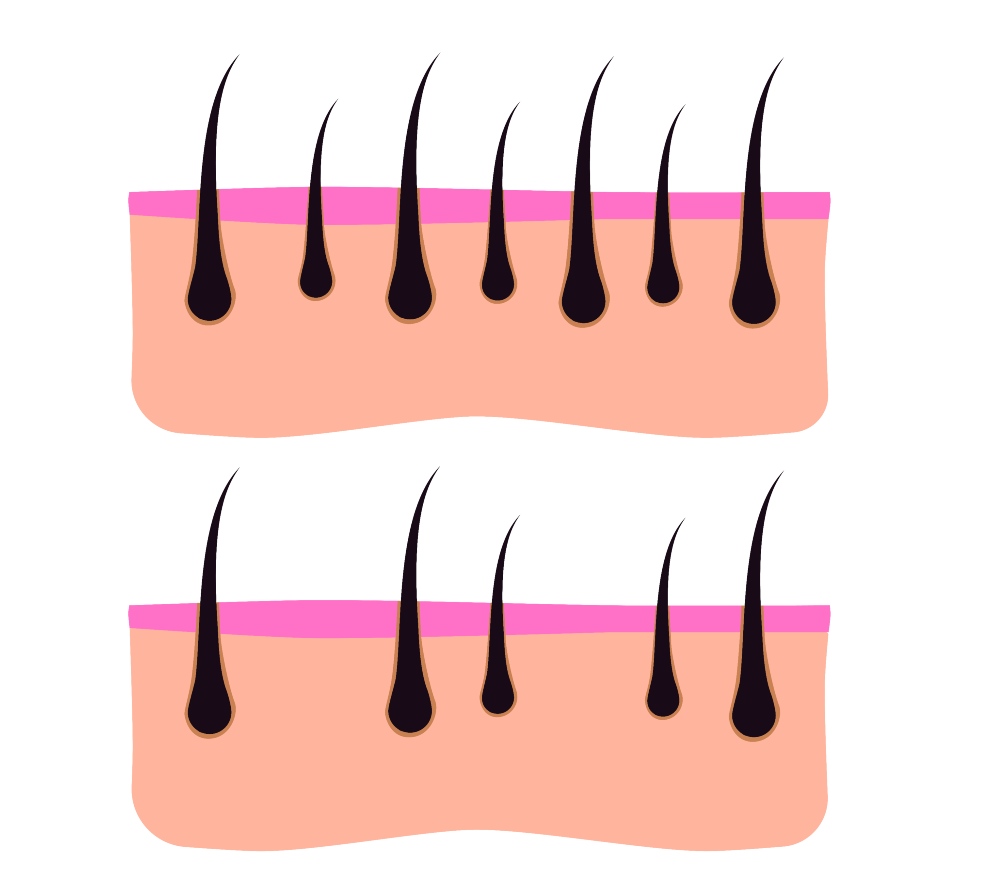
FUT hair transplant in Turkey is a permanent treatment for hair loss or thinning hair caused by several types of alopecia. It is most commonly used to treat androgenic alopecia – a genetic predisposition to pattern hair loss. Some hair follicles in people with androgenic alopecia are unusually sensitive to a hormone called DHT, which inhibits healthy hair growth, causing the affected follicle to atrophy. In Bookmedi clinic the FUT hair transplant involves relocating follicles resistant to DHT to replace them. These resistant hair follicles are taken from the back and sides of the patient’s scalp.

Due to the specifics of the FUT treatment, it can only be used to treat hair loss on the scalp and is unsuitable for restoring eyebrow or beard hair. The follicles used for FUT must come from the scalp, so if the patient is completely bald, they can’t get this treatment.
How Much Does FUT Hair Transplant Cost in Turkey?
At Bookmedi, the average price for a FUT transplant is £1,500. The prices increase with how long a surgery takes, which depends on the number of grafts (extracted hair follicles) the doctors need to collect from the donor skin patch. FUT is more time-efficient than most newer types of hair transplant and does not need as much accuracy when extracting the grafts, so it is the most affordable permanent hair restoration method.
Turkish medical services cost less than in the UK or USA, mainly because of the country’s weaker economy. As a result, all services here are less expensive than in more wealthy countries, even with equal quality.
Turkish hair clinics are also popular with patients all over the world, so they do not need to increase the prices to recoup the low patient numbers. The Turkish government invests in private clinics to allow them to compete in an international market. As a result, their service quality is on par with European healthcare.
How is a FUT Hair Transplant Operation Performed in Turkey?
FUT Turkey hair restoration surgery is performed in several stages.
- First, the doctor examines the patient’s scalp to determine the best location for extracting the donor skin patch. During FUT, a part of the patient’s scalp skin is surgically removed and subdivided into individual grafts. The size and location are chosen to make the resulting post-surgery scar less visible. The doctor also marks the boundaries of the transplant, including the future hairline.
- After determining the donor patch, the doctor shaves the hair around it and applies local anaesthesia. Then they cut out the donor skin patch, and the medical technician dissects it into separate hair grafts. As the skin is divided, the doctor closes the wound from skin extraction with sutures and makes shallow incisions in the target area of the treatment with a sapphire-bladed scalpel. These incisions serve as planting points for the extracted follicles.
- When the incisions are made, the grafts are inserted into each one, and the operated area is disinfected and wrapped with bandages. After this stage, the surgery is completed, and the patient can return to the hotel to rest.
Recovery from FUT Hair Transplant in Turkey
The patient should rest for at least several days after the surgery, as the surgery is invasive. Without proper rest, the chances of getting side effects rise exponentially. The wound where the patient’s skin was removed may reopen if the patient moves too much immediately after the surgery.
The sutures will need to be removed two weeks after treatment. Any redness or swelling should disappear at about this time.
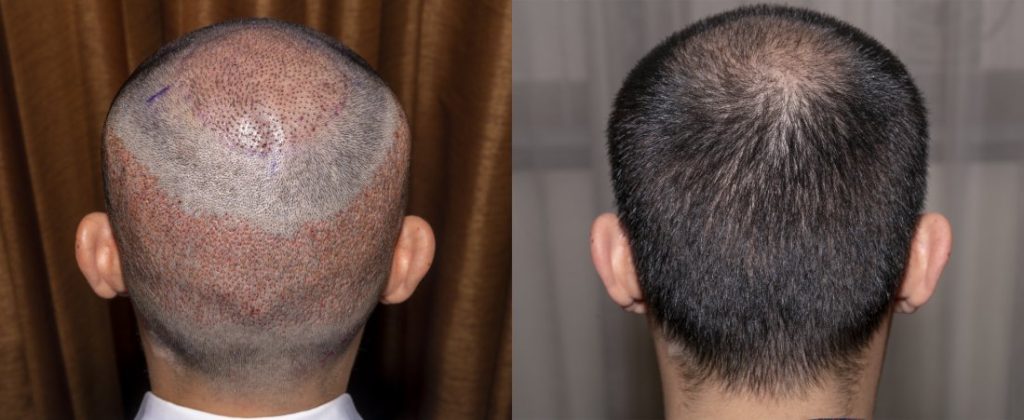
The patient should also be prepared for possible hair shedding. It is called shock telogen effluvium and is caused by the physical stress of the surgery. The shed hair will eventually regrow.
New hair growth from the implanted follicles will appear about eight to twelve months after surgery.
FUT Hair Transplant in Turkey After Care

After the treatment is completed and the anaesthesia wears off, it is not unusual to feel pain in the area where the skin was removed, as the wound needs time to heal. For this reason, the doctor will prescribe painkillers or other pain-relieving medications.
After the surgery, the patient should follow several rules to ensure the transplant heals without complications. The patient should avoid washing their hair for a week after surgery. As there is a risk of getting an infection or dislodging the implanted grafts, the patient should also avoid touching their head with their hands.
If the patient has a high chance of getting an infection due to their medical history, they will be prescribed an antibiotic.
Who is a Good Candidate for FUT Hair Transplant in Turkey?
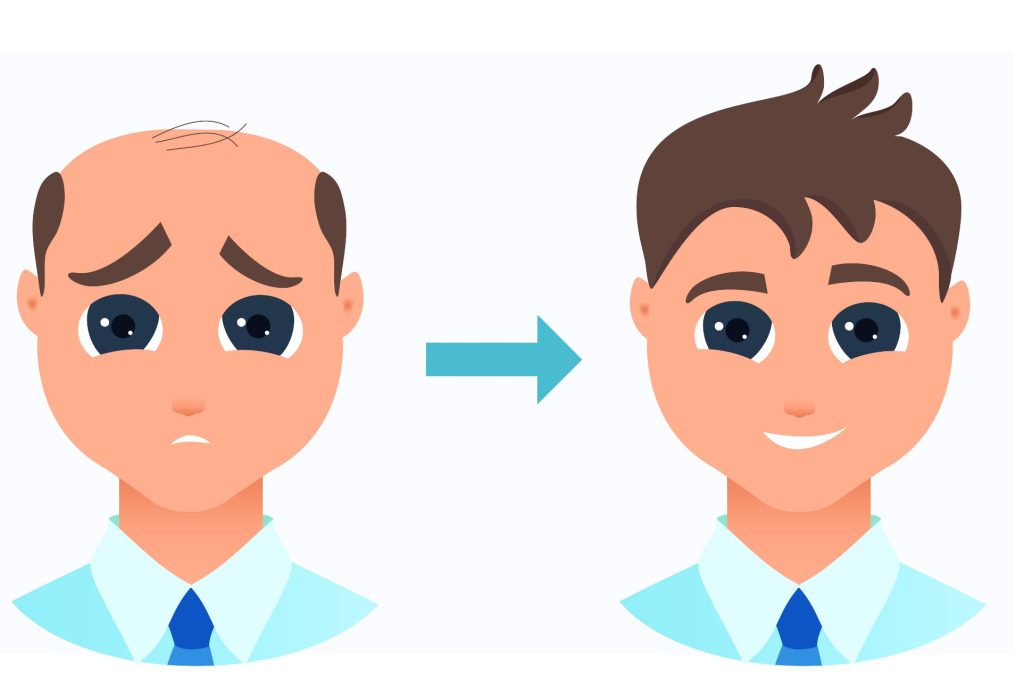
FUT treatments are suitable for people with androgenic alopecia, alopecia areata, hair loss caused by trauma and other types of alopecia. The ideal candidate for the procedure should have enough skin elasticity because the site of patch extraction will need to be closed by stretching the skin. FUT allows the extraction of a greater number of viable grafts than other types of transplants, making it more suitable for people with severe hair loss who have extensive areas of baldness.
FUT treatment leaves a scar in the donor area, so the patient needs to be able to conceal it with their hairstyle before it fades if they want to have the most aesthetically pleasing results.
Advantages of FUT Hair Transplant in Turkey
FUT implants have several advantages over more modern hair restoration treatments. As the grafts are extracted by dissecting a cut-out piece of skin, a much greater number of grafts can be extracted in less time. Some doctors also claim that a larger amount of supportive tissue implanted during FUT makes more follicles remain viable postimplantation compared to FUE (a more modern type of hair transplant).
As FUT requires much less time to perform, it costs less (per graft implanted) than other hair transplants. The success rate of the treatment is also high, estimated to be 95%.
Risks and Side Effects of FUT Hair Transplant
The most obvious and unavoidable side effect of FUT treatment is the linear scar formed at the donor area. The patch of skin that is removed must be about 5 millimetres thick, so, currently, there is no way to prevent scar formation after FUT.
As hair implantation is a surgery, it can also result in side effects typical for this type of treatment. The patient can get an infection in the donor or recipient site. After the surgery, the patient’s scalp can also feel numb, but his side effect typically resolves on its own.
FAQ
The surgery is performed under local anaesthesia, so the procedure is not painful. But as the site of skin extraction needs to be closed with sutures, the patient can feel some pain in that area after the anaesthesia wears off. The patient can also feel some soreness in the implant recipient area. The doctor can prescribe painkillers to alleviate some of the pain.
FUT hair implants at our clinic are safe and effective. Our surgeons are experienced experts in their respective fields and can perform natural-looking hair restorations.
The follicles extracted for the procedure belong to the patient, so there is no possibility of tissue rejection. The possible side effects are also minor and do not pose general health risks.
This type of hair restoration leaves a linear scar at the site of skin extraction. The scar will be larger if the patient needs many grafts for their surgery. There is currently no way to prevent the formation of the scar, as the wound formed from skin extraction is too deep to heal without leaving a scar.
FUE hair transplant is performed similarly to FUT, but each graft is extracted individually and directly from the donor area without skin removal. It means that FUE does not leave any scars. But the number of grafts that can be extracted is lower than in FUT, and the procedure requires more experience and, accordingly, is more expensive.
Yes, they are permanent, as the implanted follicles are resistant to damage from DHT.
Do You Have Questions?
Let Us Answer Now!
Share on Social Media
Get a Free Consultation
Receive a Treatment Plan
Book an Appointment